
Microneedling vs. Botox: Which Is Right for You?
Hannah Dietz, DACM, L.Ac · Sep 13, 2026
Botox and microneedling are two of the most common paths people take toward smoother, more resilient looking skin, but they get there in very different ways. Botox, the best known brand of botulinum toxin injections, was the most popular non-surgical cosmetic procedure in the world in 2024, with more than 7.8 million treatments performed1. It works by freezing the muscles responsible for certain wrinkles. Microneedling takes the opposite approach. Rather than freezing a muscle, it triggers the skin to rebuild its own collagen.
That difference shapes nearly everything else about the two treatments, including how quickly results appear, how long they last, and what kinds of concerns each one can actually address. Botox is well suited to wrinkles caused by repeated muscle movement, like the lines that form between the brows. Microneedling works on a broader range of concerns, including texture, scarring, and overall tone, since it is rebuilding skin rather than freezing a muscle.
This guide walks through how each treatment works, what results to expect, how long they hold up, and how to think about which one fits what you are actually trying to accomplish.
How Botox Works
Botox is a purified form of botulinum toxin type A, and its effect on wrinkles starts at the nerve rather than the skin. Nerves normally release a chemical called acetylcholine to tell a muscle to contract, and Botox blocks that release at the injection site so the muscle can no longer tense up2.
During treatment, a provider uses a fine needle to inject small amounts of Botox directly into the targeted muscle beneath the skin, often at several points across the area. The injections happen quickly and can cause mild stinging or discomfort, so a topical numbing cream is sometimes applied first. It's an outpatient procedure, and most people are able to go home the same day4.
The FDA label sets dosing limits and specifies injection only into targeted muscles. That does not make the treatment risk-free; it is why Botox should only be administered by a licensed provider trained in proper dosing3.
How Microneedling Works
Microneedling works to increase blood flow in the treated skin and has the opposite effect of Botox. Instead of freezing muscles, it prompts the skin to repair itself, using a device fitted with fine needles to puncture the skin and create controlled micro-channels. This process triggers the body's natural healing response, including neovascularization, the release of growth factors, and the activation of fibroblasts, the cells that produce collagen and elastin6.
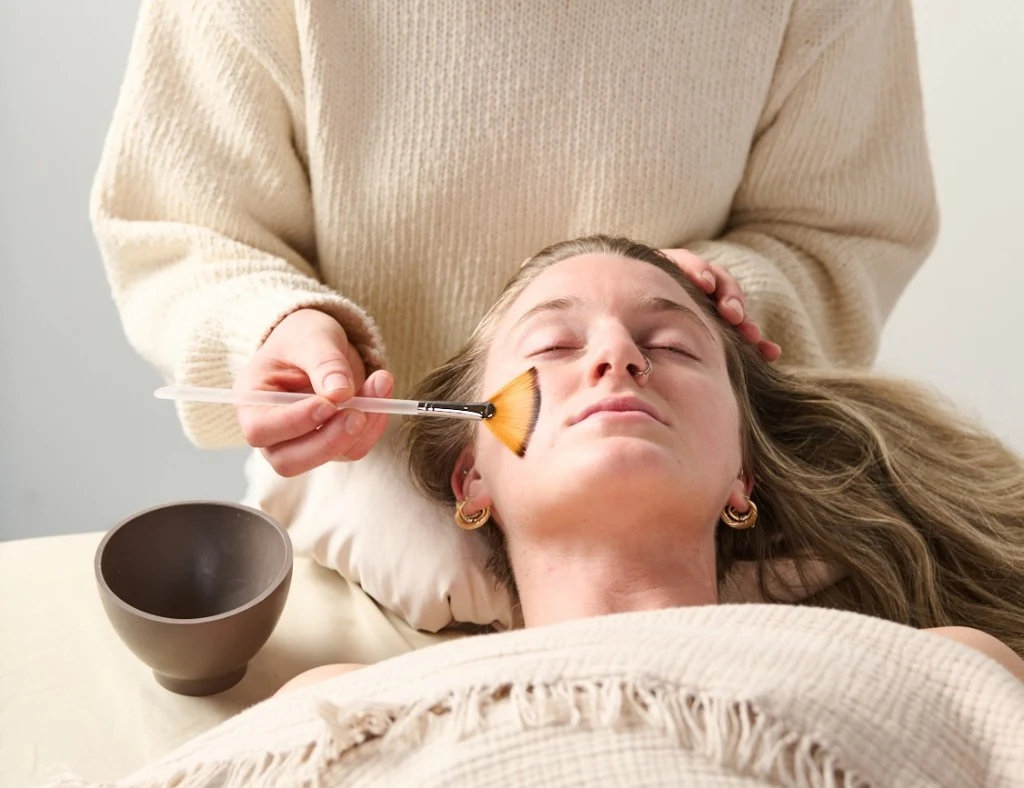
Treatment typically begins with a numbing cream applied to the area, since even fine needles can cause mild discomfort, and some providers add a period of LED light therapy while the numbing takes effect. The provider then uses a specialized pen fitted with a cluster of fine needles on the treatment area to create the micro-channels described above. Afterward, a calming mask or serum is often applied to the skin.
Other versions of the treatment also exist, such as radiofrequency microneedling, which adds heat through the needles to further stimulate collagen production.
What Each Treatment Targets
Dynamic Wrinkles vs. Static Wrinkles
Not all wrinkles form the same way. Some are caused by repeated muscle movement, like the lines that form on the forehead from raising the eyebrows or the crow's feet at the outer corners of the eyes. These are the wrinkles Botox is built to treat. Freezing the underlying muscle removes the mechanism that creates these wrinkles in the first place4.
Other wrinkles are present even when the face is completely at rest, the result of skin that has gradually lost collagen and elastin over time rather than muscle movement. Because Botox only addresses the muscle side of the equation, it has little effect on this second type. Microneedling works by rebuilding the skin's own collagen rather than targeting a specific muscle, so it is used for wrinkles that remain when the face is at rest — the kind Botox was not designed to treat5. Facial acupuncture also targets this category, stimulating the skin's own collagen and elastin production while toning the underlying facial muscles to firm and lift the treated area.
Texture, Scarring, and Tone
Beyond wrinkles, microneedling is used for a much broader set of skin concerns. According to the American Academy of Dermatology, it can improve acne scars, scars from surgery or injury, enlarged pores, uneven skin tone and dark spots, melasma, stretch marks, and sagging skin, in addition to fine lines and wrinkles5. Botox's cosmetic use doesn't extend to any of this, since its effect is limited to freezing a targeted muscle and has no impact on scarring, pigmentation, or pore size. This is where the two treatments stop overlapping. Botox is built around a single mechanism aimed at one category of wrinkle, while microneedling's collagen-based approach touches a much wider range of skin concerns.
Results Timeline & Longevity
Most people notice softened wrinkles from Botox within three to four days, with full results visible by around two weeks. Because the effect works by limiting muscle movement in the treated area, part of what changes for those three to four months is how much the face can move there, not just how it looks at rest. Once the nerve signal returns, both the movement and the wrinkle come back together, which is when most people schedule their next treatment4.
Microneedling works entirely on the skin rather than the muscle, so facial expressions stay unaffected while the skin rebuilds its own collagen. Visible results begin with the first treatment and continue for weeks afterward. Unlike Botox, each microneedling treatment is cumulative. Most significant results typically appear after 4–6 monthly sessions, depending on individual skin type and concerns. How quickly those changes become visible can also depend on age, since collagen production naturally slows over time7. Results continue to build months after the last treatment; regular maintenance sessions every few months are recommended.
Botox Downtime & Side Effects
Botox doesn't require any real recovery period, and most people head straight back to work after a treatment session. There are still a few precautions worth following in the hours immediately after, including avoiding rubbing or applying pressure to the treated area for about 12 hours, staying upright rather than lying down for 3 to 4 hours, and skipping strenuous exercise for a full day4.
Side effects are usually mild and short-lived. The most common are pain, swelling, redness, or bruising right at the injection site, along with occasional flu-like symptoms, headache, or an upset stomach, most of which clear up within a day or two4. A less common but more serious risk is one the FDA specifically warns about. The toxin's effects can occasionally spread beyond the injection site and cause symptoms elsewhere in the body, which is why the treatment should always be administered by a provider trained in proper dosing3.
Microneedling Downtime & Side Effects
Microneedling involves little to no downtime. After treatment, plan for two days without makeup, about three days of mild skin sensitivity, three days without sauna, and limited sun exposure and exercise for 24–48 hours.
Following treatment, it's normal for the skin to feel tight or mildly inflamed like a sunburn. You may notice pinkness or redness, which typically subsides within 12 to 24 hours.
Microneedling & Facial Acupuncture at Point Acupuncture
At Point Acupuncture in Portland, Maine, every microneedling session starts with a full intake of skin history and goals. Treatments are designed around your specific skin concerns and goals, not a one-size-fits-all procedure. Many clients also choose to schedule facial acupuncture between microneedling sessions, which targets facial muscles directly to tone and lift the skin. Working the skin and muscle from two different angles addresses both collagen and muscle tone, so the two treatments can complement each other.
Microneedling at Point Acupuncture is performed by Dr. Hannah Dietz, a Doctor of Acupuncture and Chinese Medicine who has built specialized expertise in dermatology. Beyond her doctoral training, she completed two years of advanced post-graduate study under Andrew and JulieAnn Nugent-Head at The Alternative Clinic in Asheville, North Carolina, logging more than 1,000 hours of hands-on clinical observation time. Point Acupuncture offers microneedling and facial acupuncture; we do not administer Botox.
FAQ
Is microneedling as effective as Botox for wrinkles?+
They treat different kinds of wrinkles. Botox freezes the muscle for lines caused by repeated movement, like frown lines or crow's feet. Microneedling rebuilds collagen in the skin, so it is used for wrinkles that remain when the face is at rest, plus texture, scarring, pores, and tone — areas Botox does not treat.
Can I switch from Botox to microneedling?+
Yes. People often add microneedling when they want to work on texture, scarring, or lines that stay when the face is at rest — concerns Botox does not treat. At Point Acupuncture, we ask that you wait at least four weeks after Botox or filler before scheduling, so the treated area has time to settle.
Does Botox make your face look frozen?+
The "frozen" look comes from Botox limiting muscle movement, not just softening a wrinkle, so the treated area moves less for as long as the effect lasts [4]. Microneedling doesn't carry that risk, since it works in the dermis layer of the skin and never touches muscle movement [5].
Does microneedling hurt?+
Most people feel mild discomfort, not real pain. Numbing cream is applied beforehand, and the treated area may feel tight or sting slightly, similar to a mild sunburn. Pinkness or redness typically subsides within 12 to 24 hours.
Can you do both?+
Yes, many people do. At Point Acupuncture, we ask that you wait at least four weeks after Botox or filler before scheduling microneedling, so the treated area has time to settle.
Want to talk through whether microneedling is the right next step? Book a visit or a free introductory call.
References
1 International Society of Aesthetic Plastic Surgery. “Global Survey 2024: Full Report and Press Releases.” Released June 19, 2025.
2 “Botox (onabotulinumtoxinA) Mechanism of Action.” Medicine (LWW), 2023. Cleveland Clinic. “Botox (Botulinum Toxin): What It Is, Results & Side Effects.”
3 FDA. BOTOX Prescribing Label. Cleveland Clinic. “Botox (Botulinum Toxin): What It Is, Results & Side Effects.”
4 Cleveland Clinic. “Botox (Botulinum Toxin): What It Is, Results & Side Effects.”
5 American Academy of Dermatology. “Microneedling can fade scars, uneven skin tone, and more.”
6 “Physiological Mechanisms and Therapeutic Applications of Microneedling: A Narrative Review.” PMC.
7 “Decreased Collagen Production in Chronologically Aged Skin.” American Journal of Pathology, via PMC.